
Public Speaking Classes: The Ultimate Guide to Building Confidence
The fear of standing up in front of an audience is one of the most common anxieties in the world. Whether it is presenting a project at university, pitches to corporate clients, or delivering a heartfelt speech at a wedding, the thought of all eyes being on you can cause a racing heart and a dry throat.
If you feel this way, you are not alone. Fortunately, communication is not an innate talent reserved for a select few; it is a practical skill that can be studied, practiced, and mastered. Public speaking classes provide a structured, safe, and supportive environment designed to help you transform your anxiety into authentic confidence.
This comprehensive guide explains exactly how public speaking classes work, what you will learn, and how to find the right environment to grow your skills – whether you are looking for local groups in the UK or national training resources.
What Are Public Speaking Classes?
Public speaking classes are structured educational programmes, workshops, or club sessions designed to teach individuals how to prepare, structure, and deliver speeches and presentations effectively to an audience.
Unlike traditional academic lectures, these classes focus heavily on experiential learning. They combine theory, such as understanding body language, vocal variety, and speech structure, with immediate, hands-on practice. The primary goal of a public speaking class is to build a bridge between your ideas and your audience, ensuring you can communicate clearly, persuasively, and confidently.
Who Are Public Speaking Classes For?
Public speaking classes are designed for anyone who needs to communicate ideas to groups of people. They cater to a broad spectrum of individuals, ranging from terrified beginners to experienced professionals looking to polish their delivery.
A diverse mix of participants typically includes:
- Nervous Beginners: Individuals who experience severe anxiety at the thought of speaking in front of others and want to overcome their fear in a non-judgmental space.
- Professionals and Career Changers: Managers, team leaders, and executives who need to deliver workplace presentations, chair meetings, or speak at industry conferences.
- Students: University and college students preparing for assessed presentations, viva examinations, or future job interviews.
- Special Event Speakers: Individuals preparing for a specific, high-stakes milestone, such as a best man speech, a eulogy, or a community council address.
Can Public Speaking Classes Help Beginners?
Yes, public speaking classes are highly effective for beginners because they break down a complex, intimidating skill into small, manageable steps.
Many people avoid public speaking because they believe they will fail publicly. A dedicated beginner’s class or supportive speaking club removes this pressure.
Beginners benefit from:
- A Low-Stakes Environment: You practice in front of peers who are also learning, meaning everyone shares the same vulnerabilities.
- Incremental Learning: You do not start by giving a 20-minute keynote speech. Instead, you might begin with simple introductions or icebreaker exercises lasting just a minute or two.
A Focus on Growth, Not Perfection: The emphasis is placed on personal progress rather than flawless performance.
How Can You Improve Confidence When Speaking in Public?
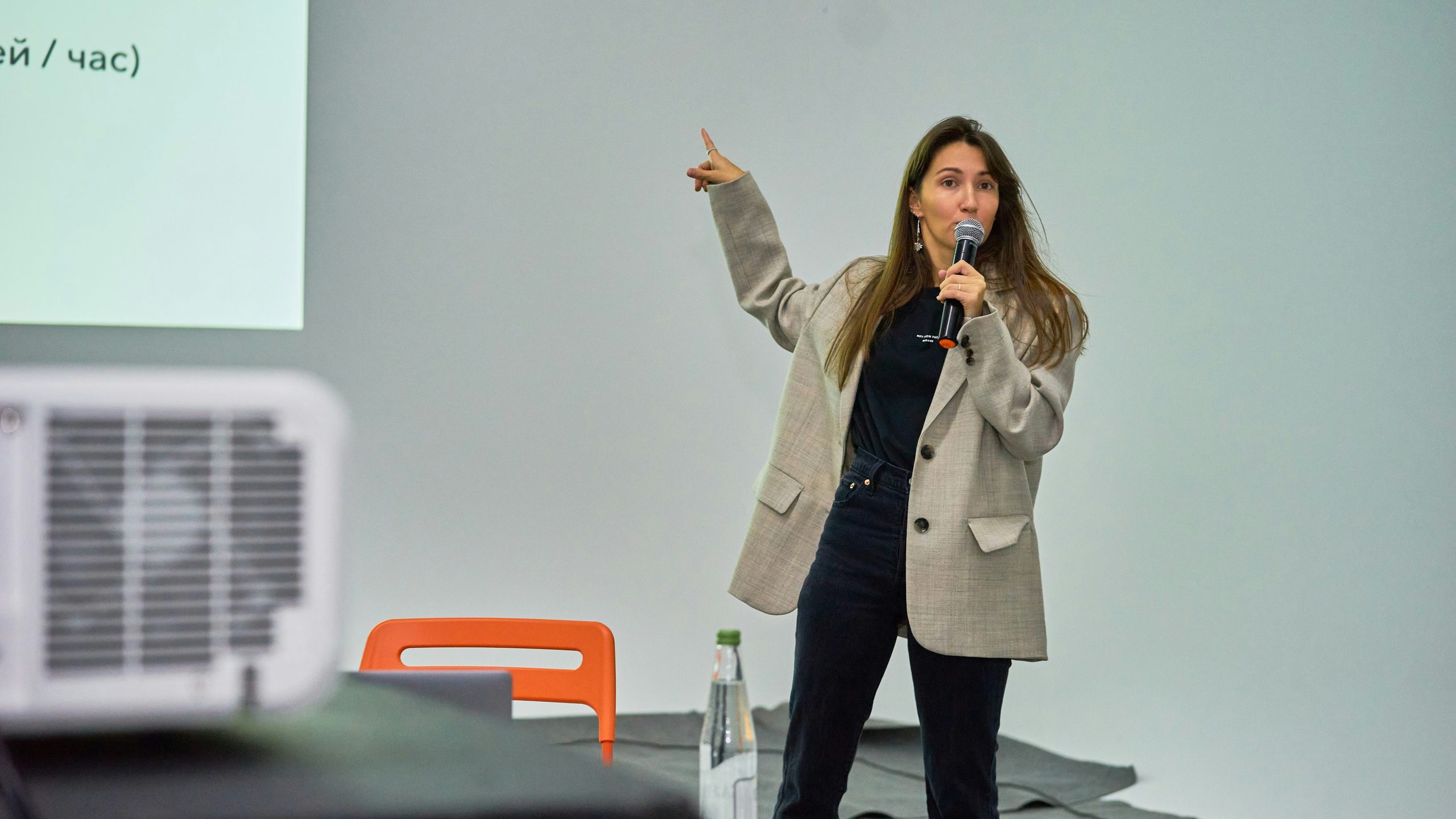
Building confidence is a gradual process that relies on shifting your mindset and developing physical techniques. Public speaking classes tackle confidence-building through three main pillars:
1. Understanding Nerves
Anxiety is a natural physiological reaction known as the fight-or-flight response. Classes teach you to reframe this adrenaline. Instead of viewing it as fear, you learn to harness it as energy to fuel your passion and delivery.
2. Controlled Exposure
The more you do something in a safe environment, the less intimidating it becomes. By speaking regularly in front of a small, supportive group, your brain gradually learns that you are safe, drastically reducing your baseline anxiety over time.
3. Practical Technique
Confidence often comes from knowing how to handle unexpected situations. Learning specific techniques—such as deep diaphragmatic breathing, structured pauses, and grounded body posture—gives you physical control over your anxiety.
What Should You Expect From a Public Speaking Class?
Walking into your first class can feel daunting if you do not know what to expect. While individual course formats vary across the UK, an established, supportive public speaking program generally includes several core components:
The Welcome and Warm-Up
Sessions typically begin with brief, interactive warm-up exercises. These are designed to break the ice, relax your vocal cords, and get everyone comfortable moving and talking in the space.
Educational Sessions
Most classes include a short, focused instruction period. A trainer or experienced member will share actionable insights on specific public speaking concepts, such as:
- How to use vocal variety and pitch to maintain audience interest.
- Techniques for improving body language and eye contact.
- Best practices for utilizing visual aids or props effectively.
- Strategies for structuring feedback and evaluation.
Prepared Presentations
Participants are given the opportunity to deliver speeches they have planned and practiced at home. These speeches usually focus on specific learning objectives, such as perfecting speech structure, building audience rapport, or mastering storytelling.
Impromptu Speaking Challenges
An essential part of real-world communication is thinking on your feet. Most classes incorporate a segment dedicated to impromptu speaking. Participants are given a random topic and asked to speak about it for a minute or two without prior preparation. Crucially, in a supportive class environment, beginners are never forced to speak if they are not yet comfortable doing so.
Constructive Evaluations and Feedback
The cornerstone of rapid improvement is feedback. In a high-quality public speaking class, every speech is evaluated by a peer or instructor. This evaluation highlights what the speaker did well and offers one or two constructive areas for improvement, ensuring the experience remains empowering and educational.
What Skills Can You Develop?
Public speaking classes teach skills that extend far beyond simply standing behind a lectern. The competencies you develop will enhance your personal and professional life in numerous ways:
- Clear Articulation and Clarity: Learning to pace your words, eliminate filler words (like “um” and “ah”), and speak with crisp enunciation.
- Effective Content Structuring: Learning how to hook an audience from the opening sentence, arrange your arguments logically, and close with a memorable conclusion.
- Active Listening: By evaluating others, you develop a sharp ear for language structure, pacing, and audience engagement.
- Leadership and Mentoring: As you progress, you gain the skills required to coach others, run meetings smoothly, and provide constructive, empathetic feedback.
How Do You Choose the Right Public Speaking Class, Course, or Club?
Finding the right learning environment depends heavily on your budget, your schedule, and your ultimate goals. To choose the option that fits your needs, consider the following factors:
| Learning Option | Best For | Key Considerations |
| Intensive Commercial Courses | Rapid professional development or workplace preparation. | Often expensive; short duration means less time for long-term habit formation. |
| Academic/Adult Education Classes | Structured, curriculum-guided learning over a set term. | Fixed schedules; may require formal enrollment or assessments. |
| Community Speakers Clubs | Long-term skill development, peer support, and affordability. | Self-paced; highly supportive; requires ongoing attendance to maximize benefits. |
When evaluating your options, prioritize environments that offer regular opportunities to speak, a formal feedback structure, and a supportive, community-focused culture.
The Community Club Approach: Introducing Loughborough Speakers Club
For those living in Leicestershire, Nottinghamshire, or the wider East Midlands, a practical, welcoming option for long-term growth is Loughborough Speakers Club.
As an established member of the Association of Speakers Clubs (ASC), the club benefits from a structured national training framework and excellent educational resources, backed by more than 40 years of experience supporting speakers in the local community.
[National Framework: Association of Speakers Clubs]
                      │
                      ▼
[Local Expertise: Loughborough Speakers Club (40+ Years)]
                      │
 ┌────────────────────┼────────────────────┐
 ▼                    ▼                    ▼
[Prepared Speeches]  [Impromptu Speaking] [Peer Evaluations]
 └────────────────────┬────────────────────┘
                      ▼
        [Optional 1:1 Speech Coaching]
Loughborough Speakers Club runs structured sessions every second and fourth Tuesday of the month at John Storer House in the heart of Loughborough.
Their educational approach mirrors the best practices of comprehensive public speaking training, focusing on three core elements:
- Prepared Speeches: Members deliver presentations based on specific themes, such as speech structure or building audience rapport.
- Evaluations & Feedback: Every speech is constructively reviewed by a fellow member to celebrate successes and guide improvement.
- Impromptu Speeches (Topics): A fun, optional segment that builds the confidence needed to speak without preparation.
Additionally, the club includes dedicated educational segments during meetings—covering topics like body language or overcoming presentation nerves—and offers members the opportunity to pair up with an experienced speaker for one-to-one speech coaching and mentoring. It provides a warm, social environment where adults of all ages and backgrounds can progress at their own speed.
Frequently Asked Questions About Public Speaking Classes
What do you do in a public speaking class?
In a typical session, you will listen to short educational presentations on speaking techniques, observe prepared speeches delivered by other participants, receive constructive peer evaluations, and have the opportunity to practice both planned and impromptu speaking in a structured setting.
How much do public speaking classes cost?
Costs vary wildly across the UK. Professional multi-day corporate workshops can cost anywhere from £500 to £1,500. Local authority adult education courses usually range from £100 to £300 per term. Non-profit community groups, such as those aligned with the Association of Speakers Clubs, represent the most affordable path, typically charging nothing more than a very modest annual membership fee to cover venue costs.
Can I attend a public speaking class if I am incredibly nervous?
Absolutely. High-quality public speaking classes are built specifically with anxious individuals in mind. Good instructors and community clubs will never force you to stand up or speak until you feel completely ready to do so. Your initial attendance can consist entirely of sitting back, watching, and getting comfortable with the environment.
How long does it take to see improvements in my speaking?
Many participants notice a meaningful shift in their comfort levels and confidence after just three or four sessions. Drastically reducing severe stage fright and mastering advanced presentation dynamics typically takes a few months of regular, low-stakes practice.
Take Your Next Step: Attend a Club Session as a Guest
Overcoming a fear of public speaking starts with a single, small action. You do not need to be a polished orator to get started; you simply need the willingness to walk into a supportive room.
If you live in Loughborough, Leicester, Derby, Nottingham, or the surrounding East Midlands towns, Loughborough Speakers Club invites you to experience their approach first-hand.
You are entirely welcome to come along to an upcoming club night completely free as a guest. There is absolutely no pressure to speak, no obligation to join, and no expectation to perform. Sit back with a cup of coffee during the social break, meet a friendly community of like-minded people, and see how simple, structured practice can change the way you communicate.
No responses yet